Concertation and member support — keeping autonomous groups aligned
Concertation is not consensus theater — it is a repeatable way to surface shared asks.
by Camille Renard · Updated 2026-10-07
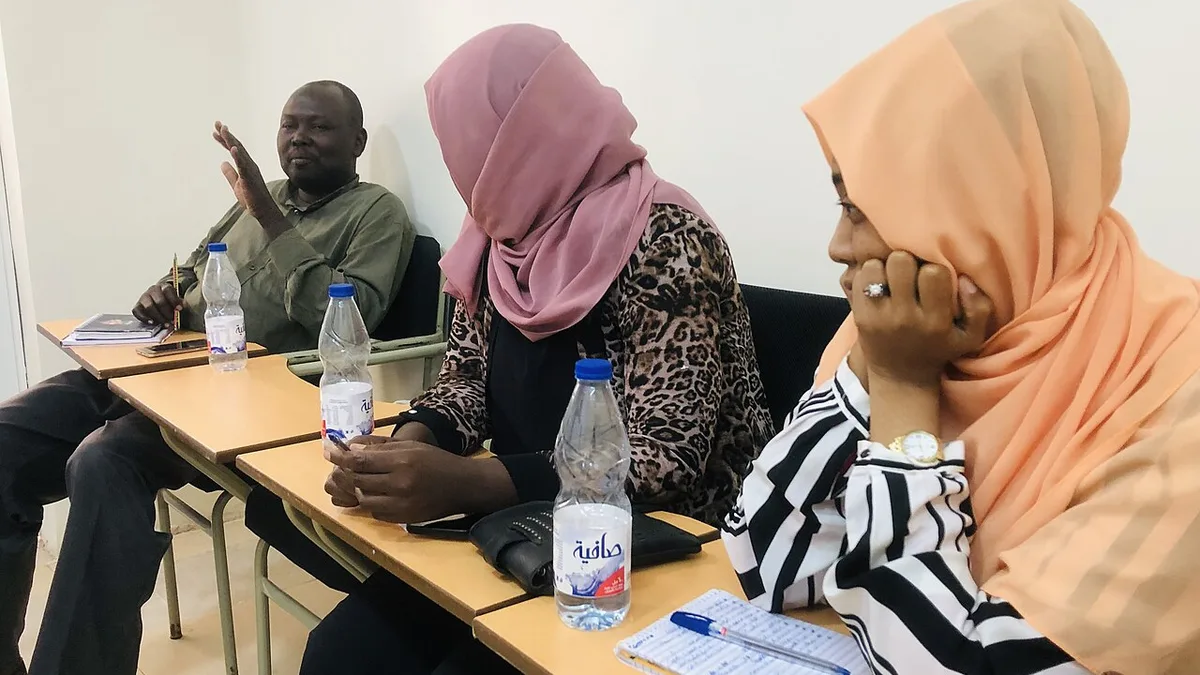

Good concertation makes autonomy stronger, not weaker — groups keep their mandates while aligning on shared local asks.
Why concertation matters
Community organizations rarely solve structural issues alone. Shared tables help members compare needs, avoid duplicated work, and present a coherent message to public partners.
Habits that keep tables useful
- Publish agendas early and keep them short
- Rotate facilitation or pair experienced chairs with newer members
- Separate information updates from decision items
- Capture decisions in plain language within 48 hours
- Assign follow-up owners before anyone leaves the room
Member support between meetings
Support is often quieter than the meeting itself: answering funding questions, sharing facilitation tips, connecting two groups with the same file, or helping a new organization prepare its first intervention.
Watch-outs
- Treating attendance as automatic agreement
- Letting the loudest partner set every priority
- Skipping feedback loops to people not in the room
FAQ
How often should members meet?
Enough to keep decisions current — many networks use a monthly or quarterly rhythm plus working groups for urgent files.
What does member support look like between meetings?
Briefings, template sharing, facilitation help, and connecting groups facing similar barriers.