Community development for local organizations — a practical starter guide
Start from shared priorities, then build capacity, economic tools, and public voice without losing member autonomy.
by Camille Renard · Updated 2026-10-07
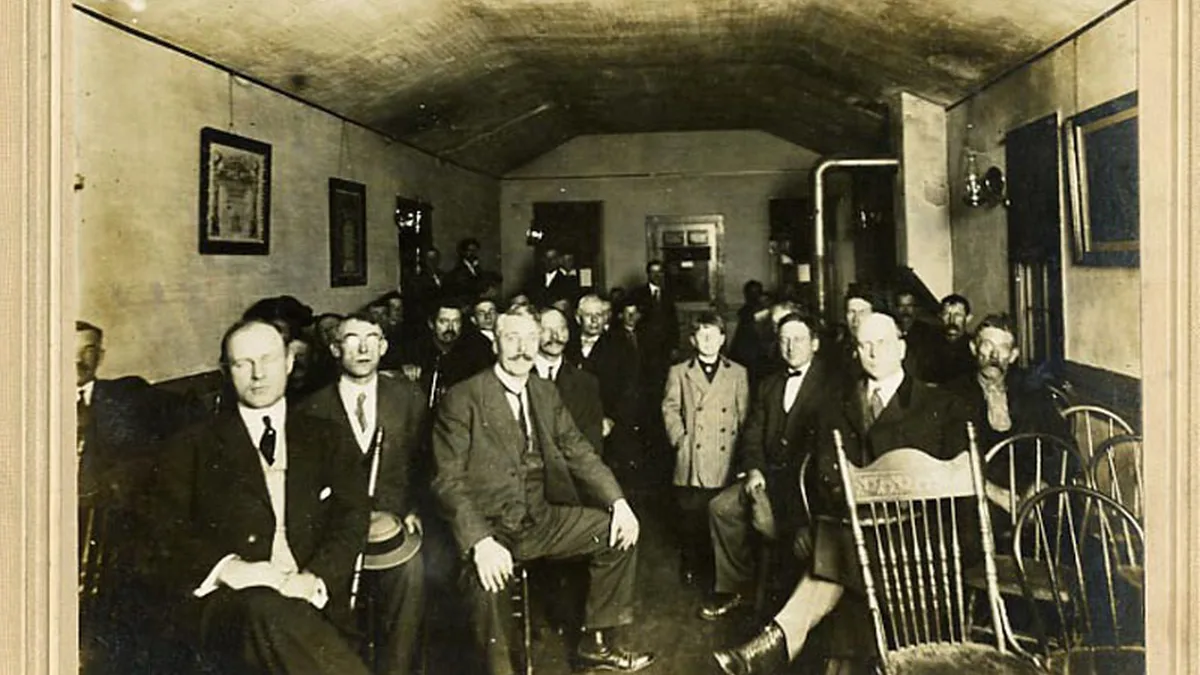
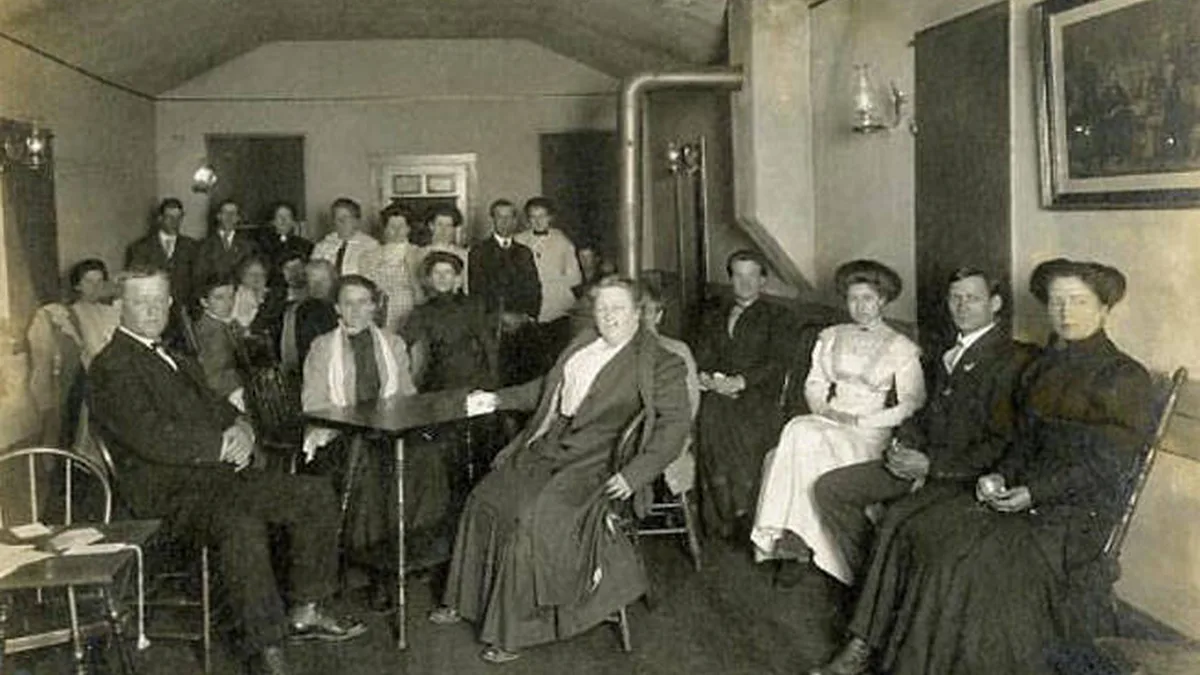
Community development works when autonomous groups keep their identity and still move together on shared local priorities.
What this desk covers
CDC Laval focuses on the everyday practice of community organizations:
- Concertation and member support
- Training and organizational capacity
- Social and solidarity economy
- Advocacy and public visibility
- Local partnerships that respect autonomy
A practical order of work
- Name the shared problem — housing pressure, exclusion, youth access, food security, or another local priority
- Map who already acts — members, citizens’ groups, public partners, and funders
- Choose one coordination habit — regular tables, shared calendars, or joint briefings
- Build skills next — governance, facilitation, communications, or project planning
- Grow economic tools carefully — cooperatives, social enterprises, and mutual-aid models that fit the mission
- Speak with evidence — short briefs, member stories, and clear asks for partners
Where to go deeper
- Concertation and member support
- Community training and capacity
- Social and solidarity economy
- Advocacy and visibility
- Local partnerships
How to use the archive
Older URLs on this site keep their paths. Each page is rewritten toward community-development practice while preserving useful outbound citations when they existed.
FAQ
What is a community development corporation (CDC) for?
A CDC helps autonomous community organizations coordinate, train, advocate, and strengthen local social and economic conditions without replacing each group’s mission.
Where should a new member organization start?
Map who you serve, join concertation spaces that match your field, and pick one capacity gap (governance, funding literacy, or outreach) to improve first.