Community training and capacity — skills that survive the workshop
Capacity grows when learning is short, applied, and revisited — not dumped in a single seminar.
by Camille Renard · Updated 2026-10-07

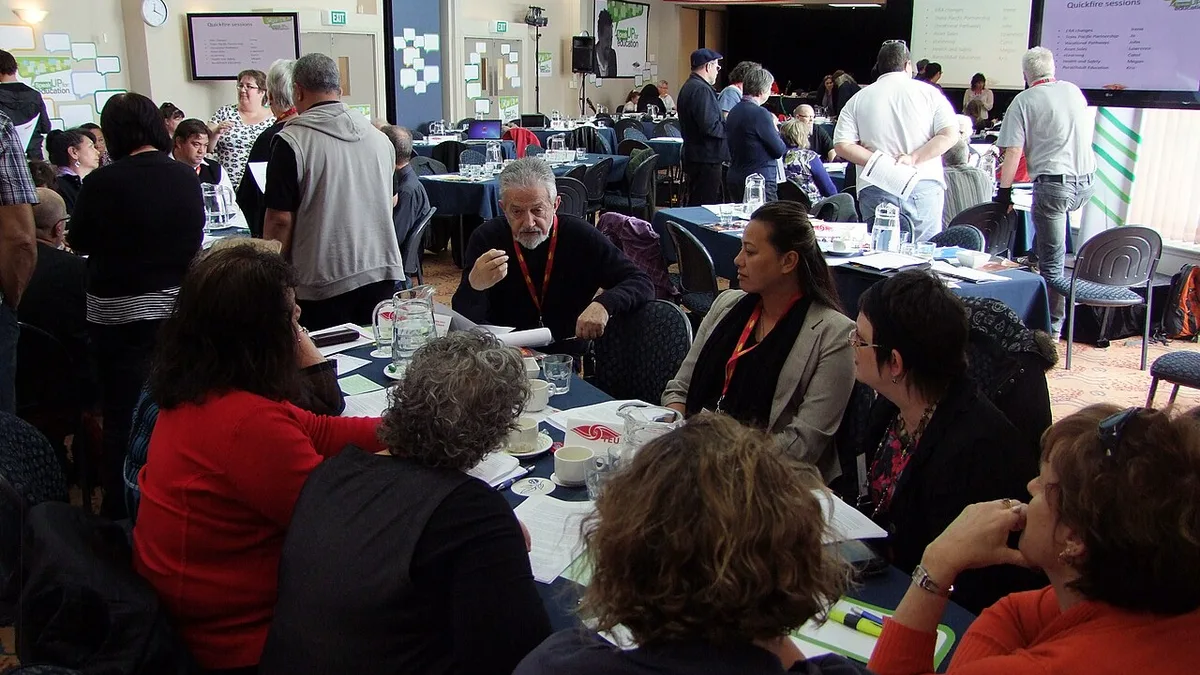
Training only counts when people leave with a tool they can reuse next week.
Capacity before curriculum
Start from the friction members already feel: unclear roles, stalled projects, weak documentation, or burnout in coordination roles.
A simple training loop
- Diagnose the gap with members
- Teach one method in a short session
- Apply it to a live file during the session
- Share templates and notes the same day
- Revisit after 30 days with peer feedback
Topics that travel well
- Meeting design and facilitation
- Board and staff role clarity
- Project scoping and timelines
- Inclusive outreach and citizen-facing language
- Documentation habits that reduce rework
Avoid one-and-done events
A packed seminar without practice usually fades. Smaller cohorts, shared homework, and peer coaching keep skills alive inside organizations.
FAQ
Which topics help most first?
Governance basics, facilitation, project planning, and clear public communications usually unlock other work.
How do we know training worked?
Look for a changed habit — a better board agenda, a shared calendar, or a clearer funding brief — not just attendance sheets.